Module 2: Natural Skincare By Skin Type
IN THIS LESSON
A gentle framework anyone can follow, using only what your skin truly needs.
Natural skincare doesn’t require a long routine or a complicated lineup. A few intentional steps—chosen based on your skin type and goals—can make a noticeable difference.
This lesson gives you a simple structure that works for all skin types and helps you build a routine that feels nourishing, not overwhelming.
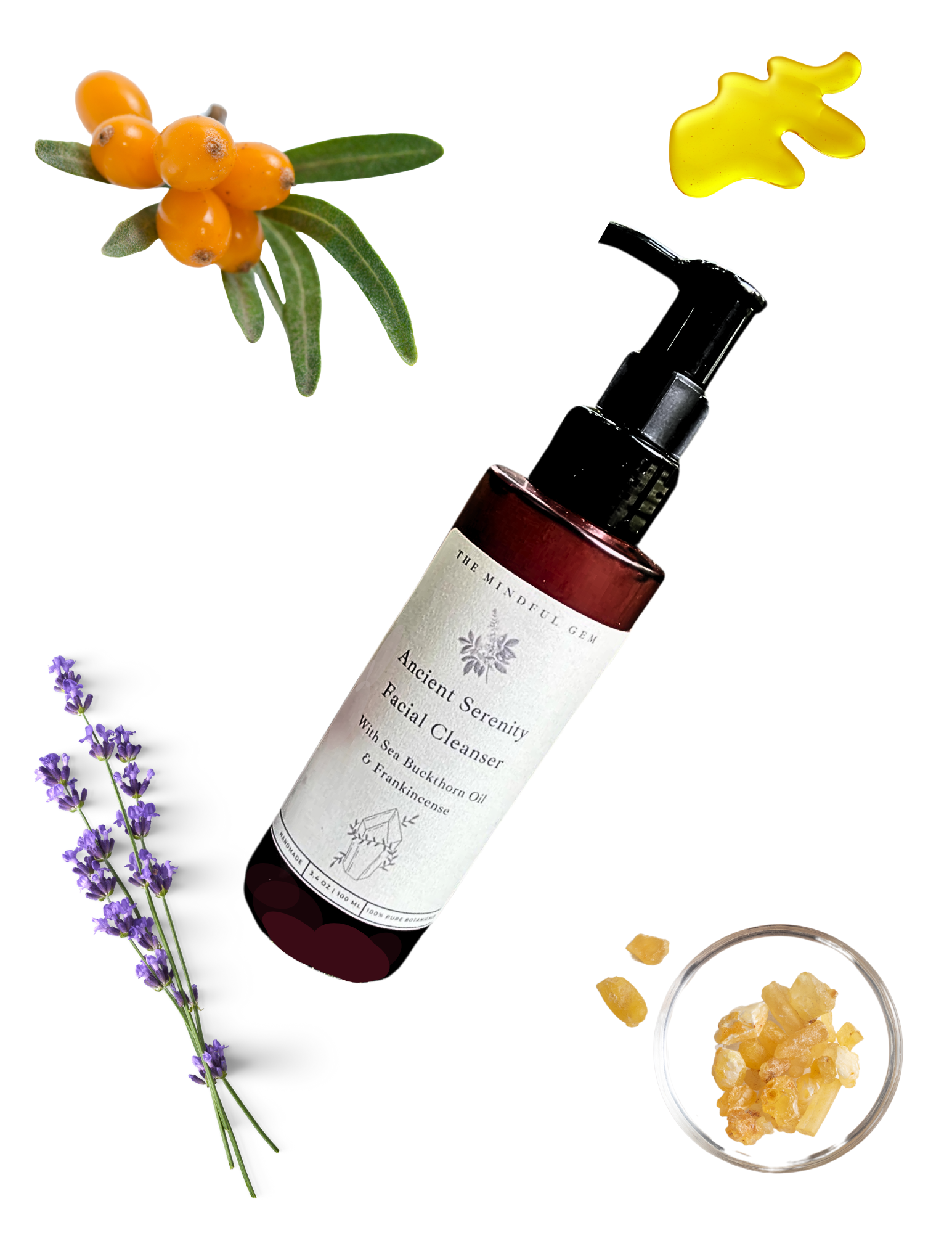
1. Choose a Cleanser Based on Your Goals
Your cleanser sets the tone for the rest of your routine.
Focus on how you want your skin to feel afterward.
If you want soft, nourished skin (Dry / Sensitive):
Creamy cleansers
Honey-based cleansers
Gentle botanical gels
If you want clearer, balanced skin (Oily / Congested):
Gel cleansers
Green tea or rosemary-infused cleansers
Clay-based cleansers (1–2×/week)
If you want glow + even tone:
Enzyme cleansers (gentle fruit enzymes)
Matcha or rosehip-infused cleansers
Tip: Your skin should feel comfortable—never tight—after cleansing.
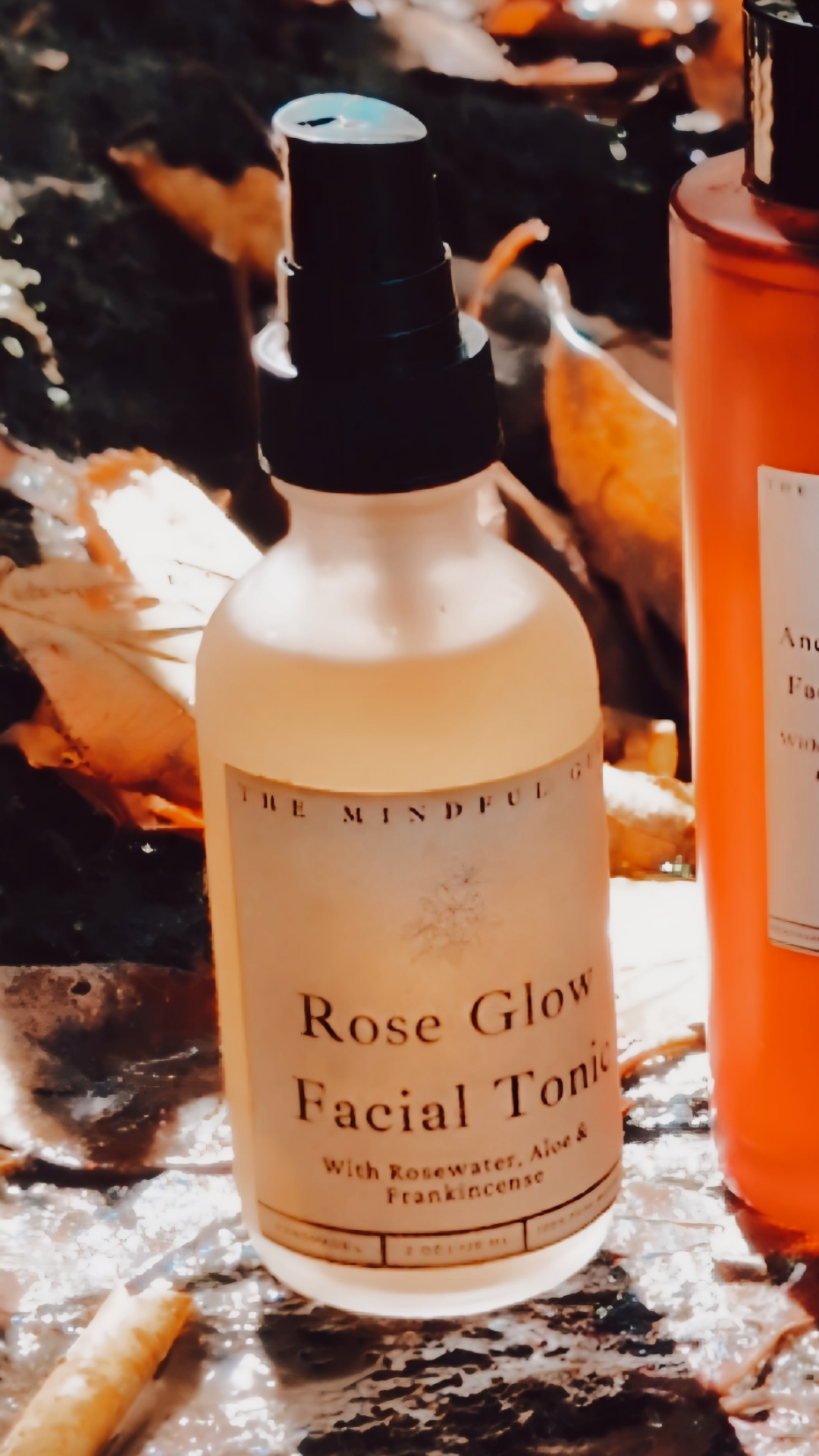
2. Choose a Toner Based on Your Skin Type
Toners (or hydrosols) add hydration, calm the skin, and prepare it for your serum or moisturizer.
Dry or Dehydrated:
Rose hydrosol
Lavender hydrosol
Sea kelp mist
Oily or Congested:
Green tea hydrosol
Rosemary hydrosol
Cucumber or helichrysum mist
Sensitive or Redness-Prone:
Chamomile hydrosol
Calendula hydrosol
Marshmallow root mist
Dull or Uneven Skin:
Rose
Matcha-infused mists
Enzyme toners (gentle)
Choose the one that makes your skin feel instantly soothed and refreshed.
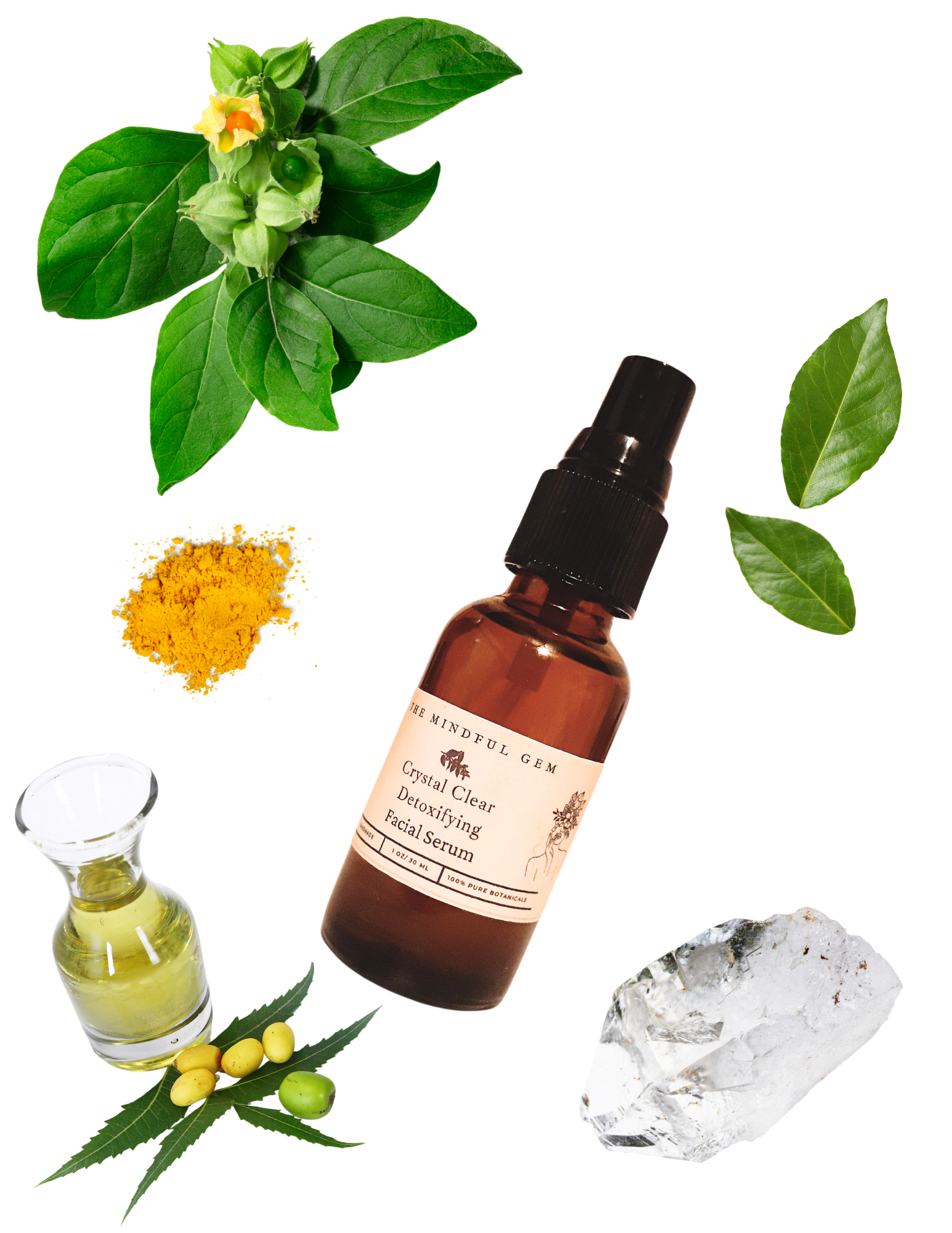
3. Choose a Serum Based on What Your Skin Needs
Serums deliver your targeted benefits—hydration, brightness, calming, or rejuvenation.
Dry or Dehydrated:
Sea kelp
Tremella (snow mushroom)
Squalane (light oil layer)
Oily or Congested:
Green tea extract
Willow bark (gentle)
Lightweight herbal gels
Sensitive or Redness-Prone:
Chamomile
Calendula
Oat extract
Marshmallow root
Dull or Uneven Skin:
Papaya or pineapple enzymes (gentle, a few times per week)
Matcha
Rosehip
Mature Skin:
Rosehip
Pomegranate
Bakuchiol
Antioxidant-rich serums (matcha, sea buckthorn)
Pick one main serum — your skin doesn’t need too many at once.
4. Choose a Mask 2+ Times Per Week Based on Your Goals
Masks offer deeper support and visible results with consistent use.
For Hydration + Softening:
Honey masks
Oat masks
Sea kelp gel masks
For Brightening + Glow:
Papaya or pumpkin enzyme masks
Matcha masks
Rosehip masks
For Redness + Sensitivity:
Oat + chamomile masks
Marshmallow
Calendula masks
For Congestion + Oily Skin:
Clay masks (bentonite, kaolin)
Green tea masks
Rosemary-infused masks
Masks help you address your skin’s short-term needs without changing your whole routine.
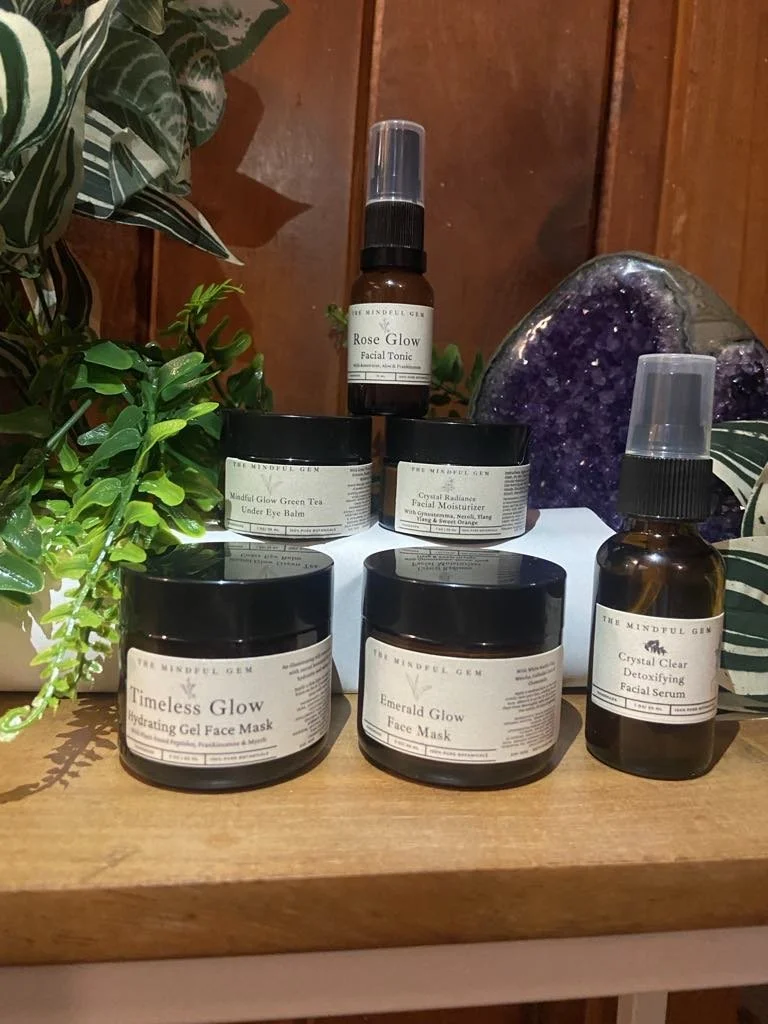
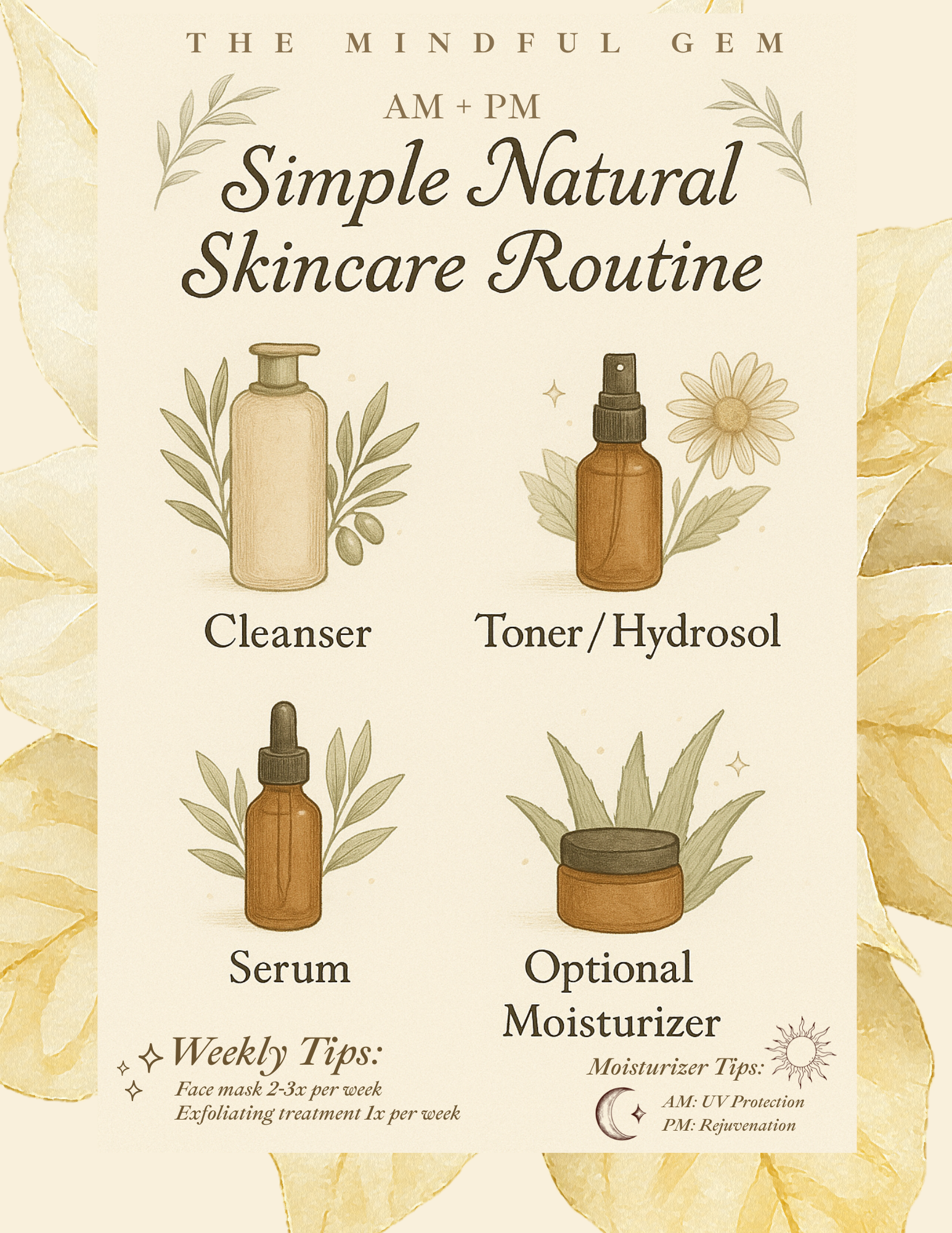
Putting It All Together: A Simple Natural Routine
Here’s what a full, gentle routine looks like:
AM
Cleanser (optional — some prefer water rinse)
Toner / Hydrosol
Serum
Light moisturizer or botanical oil
PM
Cleanser
Toner
Serum or treatment
Moisturizer or oil
2–3×/week
Mask based on your current goals
-
Dermatology & Skin Science
• National Center for Biotechnology Information (NCBI) – Skin Barrier Basics
https://www.ncbi.nlm.nih.gov
(Search: “skin barrier function review” or “cutaneous hydration review”)• Journal of Clinical & Aesthetic Dermatology
Articles on cleansing, hydrating ingredients, and routine building.
https://jcadonline.com• International Journal of Cosmetic Science
Peer-reviewed info on skincare layering, cleansers, humectants, oils, and emollients. https://onlinelibrary.wiley.com/journal/14682494