Module 1: Natural Skincare Basics
IN THIS LESSON
Natural skincare often gets treated like a trend, but it’s rooted in a clear, practical method: choosing ingredients that come from plants, earth minerals, and gentle extraction methods—ingredients that work with the skin rather than against it.
Natural skincare does not mean avoiding every synthetic. In fact, many safe, supportive ingredients used in holistic formulations (like hyaluronic acid or panthenol) are technically synthetic but still gentle and barrier-friendly. The goal isn’t perfection. The goal is choosing ingredients that support the skin’s natural functions, reduce unnecessary irritation, and offer real, visible benefits.
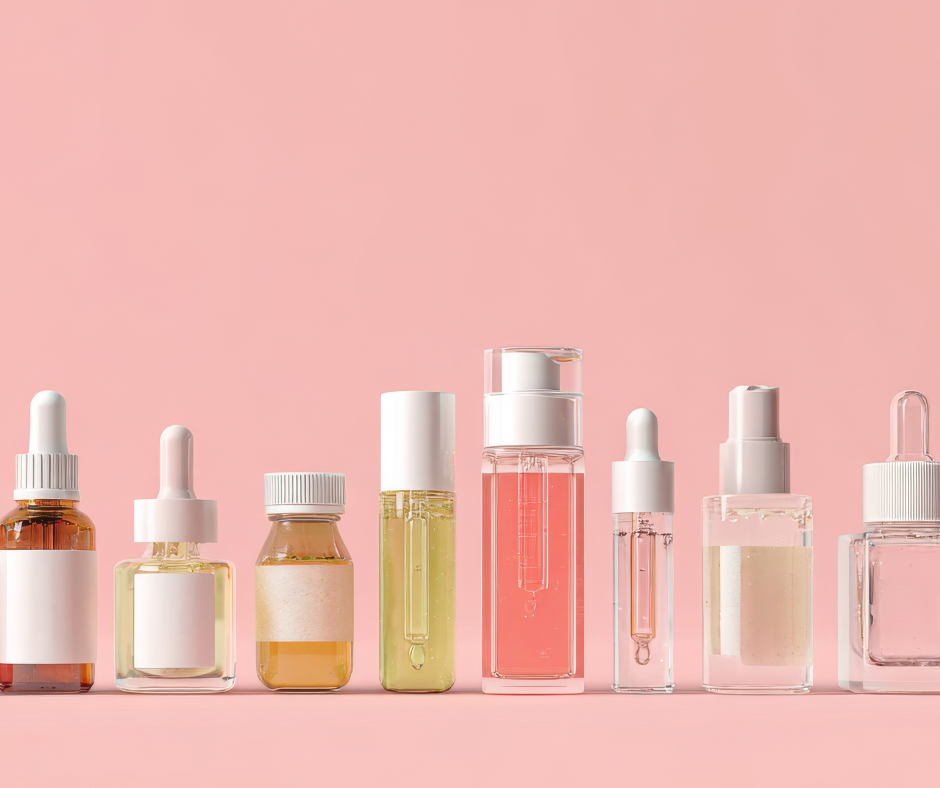
What Counts as “Natural”
Natural ingredients typically fall into these categories:
1. Plant Oils
Pressed from seeds, nuts, or fruits, plant oils help replenish the skin’s lipid barrier, soften texture, and provide a rich supply of antioxidants. They’re foundational in both facial massage and treatment finishing steps.
2. Hydrosols
Hydrosols are gentle aromatic waters produced during essential oil distillation. Unlike essential oils, they’re extremely mild and safe for direct use on the skin, making them perfect for toning, compresses, and soothing sensitive clients.
3. Extracts
Botanical extracts deliver the concentrated benefits of an herb through water, glycerin, alcohol, or CO₂ extraction. They offer targeted support—hydration, calming, brightening, and antioxidant protection—without the intensity of conventional actives.
4. Clays
Derived from earth minerals, clays help purify, detoxify, and rebalance the skin. Each type behaves differently: some hydrate, some tighten, and some clarify. They remain a gentle alternative to harsher exfoliants or solvent-based detox treatments.
5. Fruit Enzymes
Papaya, pineapple, pumpkin, and other fruit enzymes help dissolve dead skin cells in a soft, non-abrasive way. They’re ideal for clients who cannot tolerate acids but still need brightening or gentle resurfacing.
6. Natural Preservatives
Some natural or nature-identical preservatives help keep water-based products safe from mold, yeast, and bacteria. Options like fermented radish root (Leucidal), lactobacillus ferment blends, and mild organic acids offer gentle protection while maintaining a clean, botanical approach to formulation. They allow estheticians to use hydrosols, extracts, and mists with confidence—especially in a professional setting.
Natural vs Synthetic: A Simple Perspective
The difference is straightforward:
Botanicals come from plants or minerals and contain the nutrients nature built into them—fatty acids, vitamins, polyphenols, enzymes, flavonoids.
Synthetics are lab-created or highly refined ingredients that may offer stability, consistency, or targeted results.
Both can have a place in skincare.
Natural skincare simply leans into ingredients that feel gentle, familiar, and physiologically aligned with the skin’s barrier function.
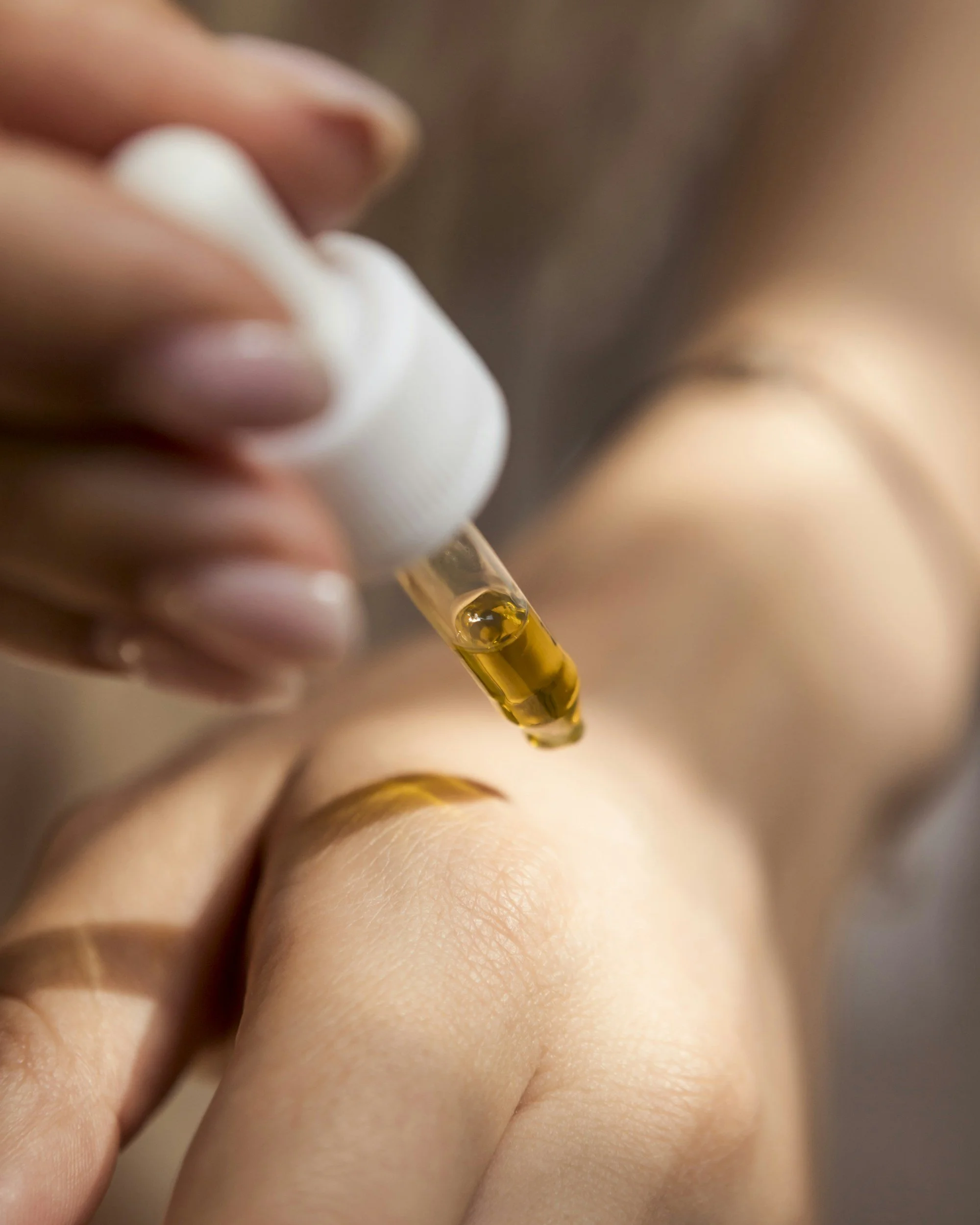
The Heart of This Lesson
Natural skincare is not about exclusion—it’s about intention.
It’s about choosing ingredients that support:
a healthy barrier
long-term skin resilience
reduced inflammation
a more holistic experience
By understanding the basic categories of natural ingredients, estheticians can begin creating treatments that are effective, sensory-rich, and deeply supportive of overall skin wellness.
-
Plant Oils & Barrier Support
Loden, M. (2012). Role of skin care products in maintaining skin barrier function. Dermatologic Therapy.
D’Souza, A., & Masud, H. (2021). Plant oils and fatty acids in skin barrier repair. International Journal of Molecular Sciences.
Hydrosols
Price, S., & Price, L. (2004). Understanding Hydrolats: The Specific Hydrosols for Aromatherapy.
Nohynek, G. et al. (2010). Safety of botanical extracts in cosmetics. Food and Chemical Toxicology.
Botanical Extracts & Polyphenols
Działo, M. et al. (2016). The role of polyphenols in plant defense and human skin benefits. International Journal of Molecular Sciences.
Farage, M. et al. (2013). Antioxidants in skin care. Skin Research & Technology.
Clays
Carretero, M.I. (2002). Clay minerals and their beneficial effects upon human health. Applied Clay Science.
Waghmare, R. et al. (2014). Dermatological benefits of clay minerals. Journal of Cosmetics.
Fruit Enzymes
Gupta, R. et al. (2016). Use of proteolytic enzymes in skin exfoliation. International Journal of Cosmetic Science.
Kim, J. et al. (2018). Pumpkin enzyme extract brightening effects. Journal of Cosmetic Dermatology.
Natural Preservatives
Patel, R. et al. (2013). Antimicrobial effects of lactobacillus ferment filtrates.
Lin, S. et al. (2019). Organic acids as cosmetic preservatives. Molecules.
Cosmetic Ingredient Review (CIR) Reports (Leucidal, lactobacillus ferment, sodium phytate, etc.)