Module 1: Natural Skincare Basics
IN THIS LESSON
Understanding how natural products behave so you can enjoy them with confidence.
Natural skincare is powerful, effective, and deeply nourishing—but because it’s made with real botanicals and fewer stabilizers, it behaves a little differently from conventional products. This lesson helps you understand what to expect, how to store your products, and how to use them safely so you get the most benefit from every drop.

1. Why Natural Products Can Look or Feel Different
Plant-based skincare doesn’t rely on heavy fillers, silicones, or synthetic stabilizers, so textures can shift slightly with temperature or time—and that’s perfectly normal.
You may notice:
oils becoming thicker in cold weather
hydrosols needing a gentle shake
serums separating slightly after sitting still
balms softening in warm environments or creams hardening in extreme cold
This isn’t a flaw—it’s a sign your products are made with real, natural ingredients instead of artificial binders. A quick shake or stir is usually all they need.
2. Storing Natural Skincare Properly
To keep your products fresh and effective:
Keep them away from heat and direct sunlight
Don’t dip your fingers directly into jars—use a clean spoon or spatula
Avoid getting water into your products, especially oil-based ones
Keep lids tightly closed
Small habits like these help extend shelf life and protect the delicate botanicals inside.
These are very small adjustments that become second nature—and the payoff is beautiful, potent, clean skincare.
3. Why Buying From Trusted, Small-Batch Makers Matters
Natural skincare requires skill and intention. Preservation, emulsification, and ingredient compatibility are delicate processes—and reputable small-batch makers understand how to formulate safely.
They:
use proper preservation where needed
source high-quality botanicals
craft fresh batches
avoid heavy fillers
create products with real therapeutic value
There are simple DIY recipes that are perfectly safe to explore (especially oils, powdered masks, and hydrosols), but anything water-based or creamy is safest when crafted by trained makers.
4. Why You Should Patch Test New Natural Ingredients
Even gentle botanicals can cause sensitivity on certain individuals. Patch testing ensures your skin responds well before using something on your full face.
How to patch test:
Apply a tiny amount behind the ear or on the inner wrist
Wait 24 hours
Check for redness, itching, or warmth
If your skin feels calm, you’re good to go.
Patch testing builds trust between you and your skin — especially when trying new herbs or extracts.
5. Why Essential Oils Must Be Used Sparingly
Essential oils are extremely concentrated. A single drop represents the aromatic compounds of pounds of plant material.
General rules:
1 drop is often enough
Always dilute in a carrier (hydrosol, oil, or finished product)
Never apply essential oils directly to skin
Choose gentle EOs like lavender, chamomile, frankincense, or rose
Used correctly, essential oils add beauty and benefit. Used too strongly, they can overwhelm delicate skin and cause photosensitivity.
6. When to Stop Using Something
Your skin will always let you know if a product isn’t right for you.
Stop using a product if you notice:
burning or stinging
new irritation
increased redness
unusual breakouts
changes in the product’s smell or texture
Natural skincare should feel soothing, comforting, and supportive — always listen to your skin.
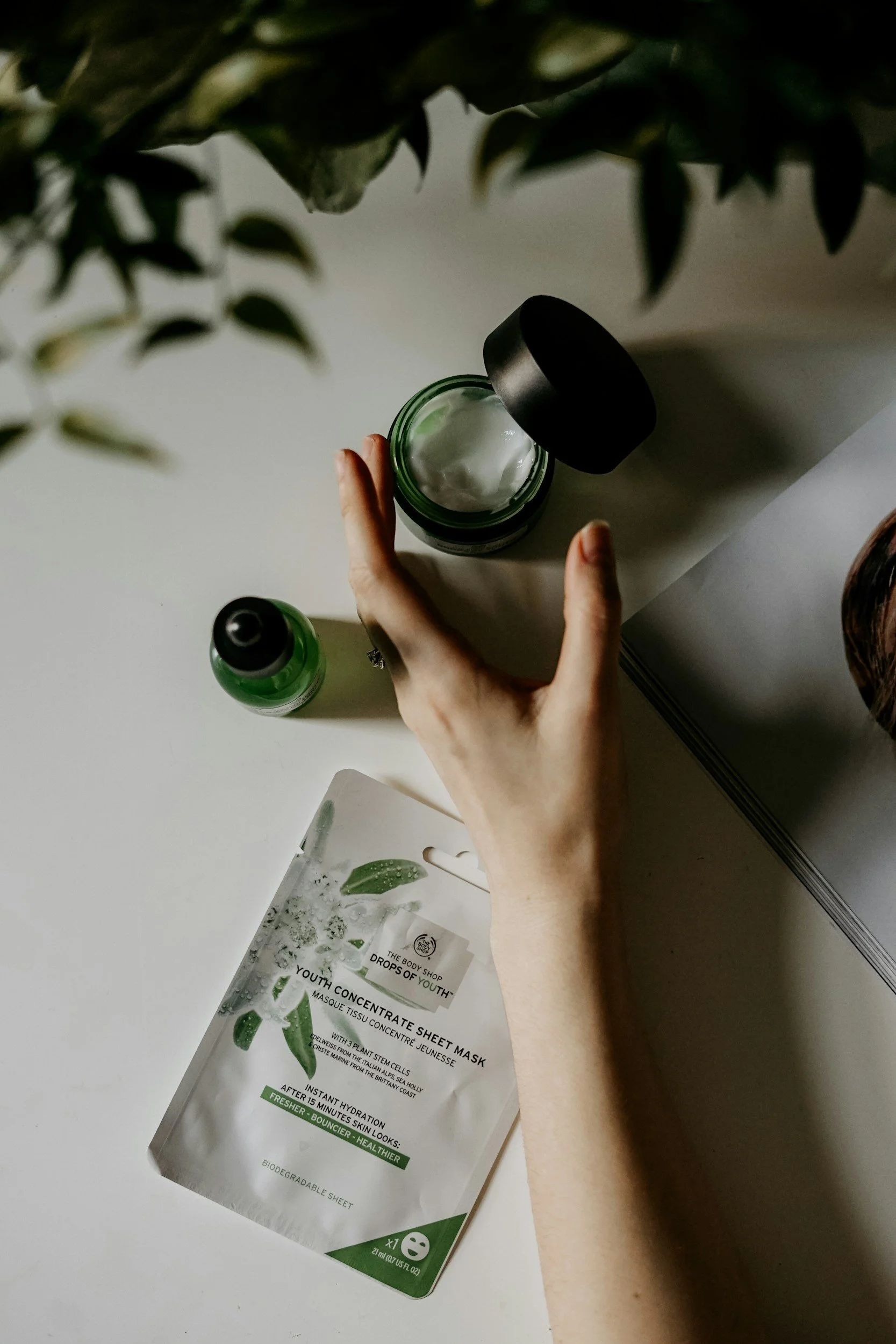
Natural Skincare Is a Mindset Shift —
In a Beautiful Way
Natural products may ask for a little more mindfulness—a gentle shake, cooler storage, cleaner scooping—but in return, you get formulas full of real plants, real nutrients, and real benefits.
These tiny shifts in habits allow you to enjoy the purity, potency, and beauty of botanicals exactly as nature intended.
-
Essential Oil Safety
Tisserand, R., & Young, R. (2014). Essential Oil Safety: A Guide for Health Care Professionals. (Industry gold standard.)
Dilution & Safe Use
Aromatic Science Database (peer-reviewed summaries of EO constituents).
NAHA Safety Guidelines (National Association of Holistic Aromatherapy).
Natural Preservatives
CIR Safety Assessments (Leucidal, lactobacillus ferment, gluconolactone, sodium benzoate).
Salgueiro, F. (2020). Natural preservatives in cosmetic formulations. Cosmetics & Toiletries.
Patch Testing & Sensitive Skin
Lodén, M. et al. (2016). Patch testing methods in dermatology. Dermatology Practical & Conceptual.