This Or That: Retinol Vs. Nature’s Renewal
Bakuchiol + Rosehip Oil
Retinol has become almost synonymous with “good skincare.”
It’s what people reach for when they want smoother skin, fewer breakouts, softened lines, a more even tone. It’s recommended early, prescribed often, and widely considered a long-term essential.
But in practice, using it is rarely as simple as applying a product and moving on.
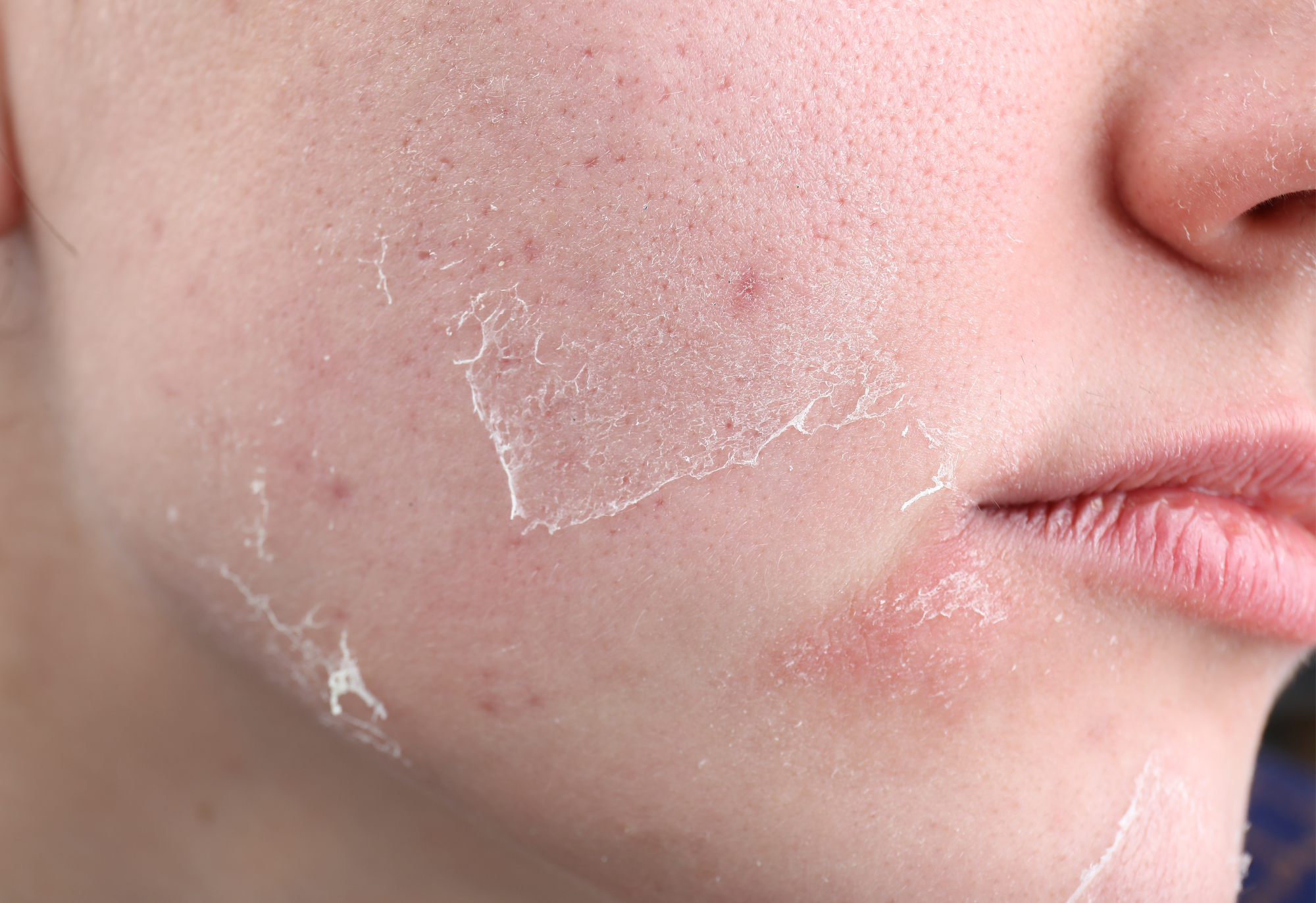
Most forms of retinoids—whether over-the-counter retinol or prescription tretinoin—are not designed for effortless, everyday use from the start. They are introduced gradually, often just a few nights per week, and require careful adjustment over time. It’s common to be advised to buffer with moisturizer, avoid combining with certain ingredients, and increase frequency only as the skin builds tolerance.
Alongside this comes a shift in routine. Daily sunscreen becomes non-negotiable. Exfoliating acids are often reduced or eliminated. Skin may go through periods of dryness, flaking, or heightened sensitivity—sometimes referred to as “retinization.”
For some, this process is worthwhile. For others, it begins to feel like their entire routine is built around managing one ingredient.
This is where a more adaptable approach begins to resonate. Bakuchiol and rosehip oil offer a way to support many of the same visible outcomes associated with retinol—smoother texture, improved tone, and overall skin refinement—without requiring the same level of adjustment or compromise.

A More Versatile Kind of Active
One of the most compelling aspects of bakuchiol is how easily it fits into real life.
It provides many of the same functional benefits associated with retinol, including support for collagen production and cellular turnover, but does so with a significantly lower risk of irritation. Because of this, it can typically be used daily—even twice daily in many formulations—without the need to slowly build tolerance. This makes it uniquely versatile.
For teens or those new to skincare, it can act as a gentle introduction to active ingredients, helping to keep pores clear and support smoother skin without triggering dryness or imbalance. For those navigating breakouts alongside sensitivity, it offers a way to support clearer skin without compromising the barrier. For others, it becomes a long-term staple—something that supports tone, texture, and elasticity without requiring constant adjustments to the rest of the routine.
Within The Mindful Gem, this philosophy is reflected in how bakuchiol is formulated into the Goddess Glow Gel Serum and the Timeless Glow Peptide Jelly Mask. Rather than isolating it as a harsh treatment step, it is integrated into hydrating, supportive bases that allow it to work in harmony with the skin.
The Role of Rosehip Oil in Everyday Skin
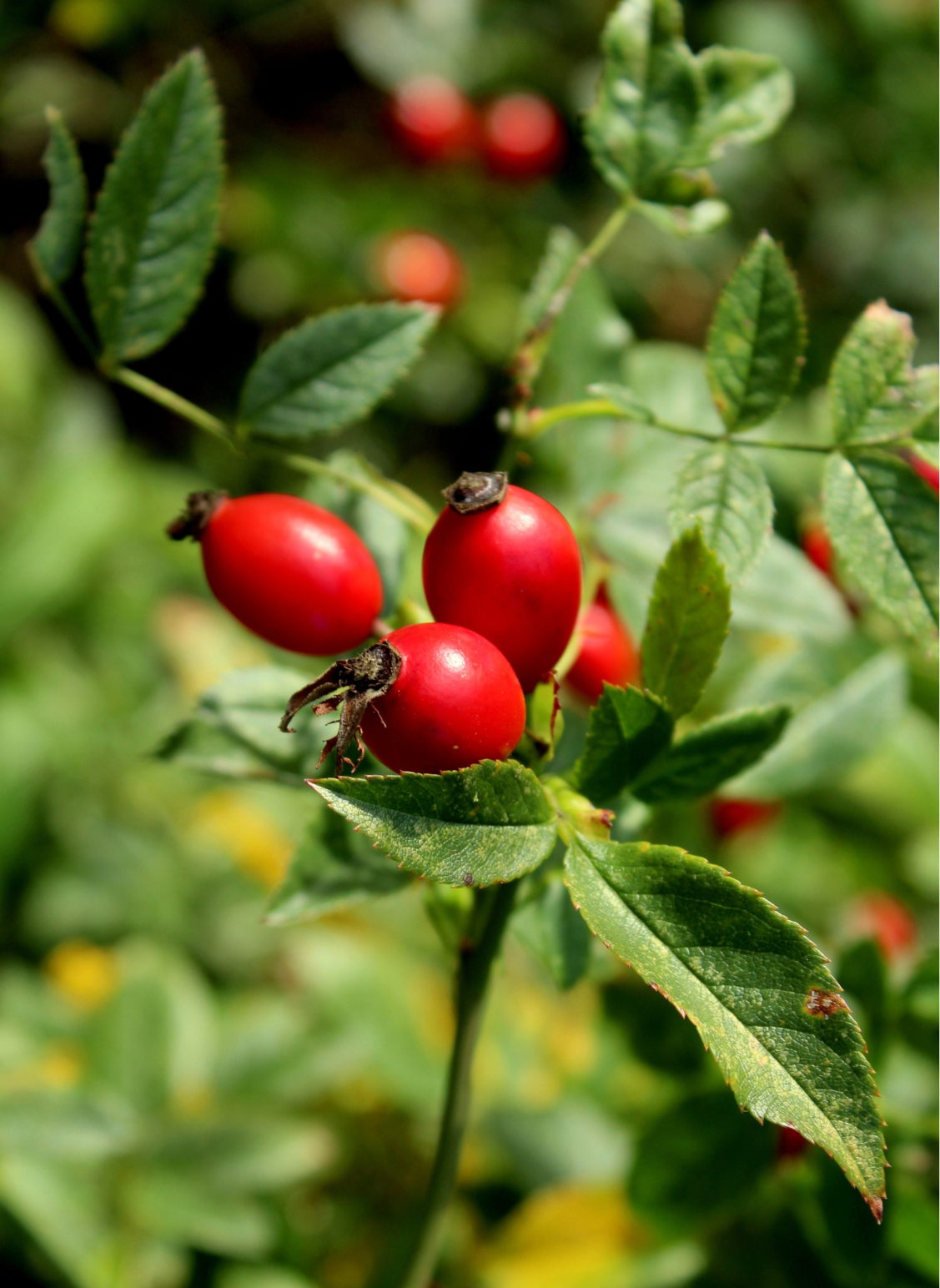
If bakuchiol makes renewal more accessible, rosehip oil makes it sustainable. Unlike retinoids, which can temporarily compromise the skin barrier as they accelerate turnover, rosehip oil works in the opposite direction. It reinforces the skin while renewal is taking place—supplying essential fatty acids, improving moisture retention, and supporting elasticity. It also brings a level of flexibility that many routines lack.
It can be used by dry skin that needs nourishment, by acne-prone skin that benefits from its linoleic acid content, and by those focused on improving overall tone and softness. It transitions easily between facial care and body care, creating continuity across the entire skin experience.
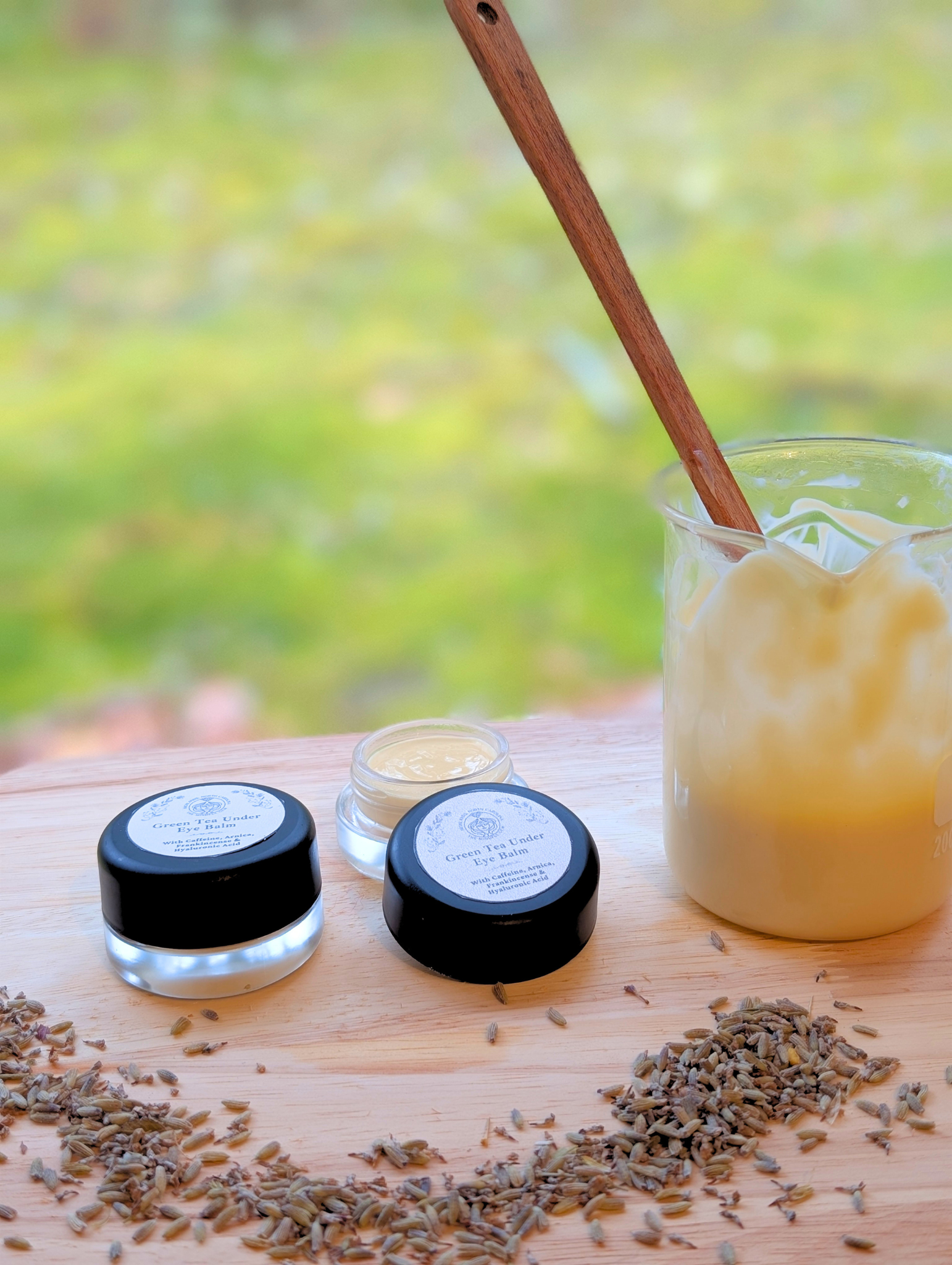
This is why it appears across multiple Mindful Gem formulations, including the Balanced Glow Facial Serum, Green Tea Undereye Balm, Massage & Body Oil, and the Secret Falls Shower Alchemy. It becomes less of a targeted step and more of a consistent layer of support.
To explore bakuchiol, rosehip oil, and the deeper world of plant-based actives, visit our Apothecary Index—where we dive into the function, origins, and beauty of botanical compounds.Why the Combination Works—Without the Trade-Off
When bakuchiol and rosehip oil are used together, they create a different kind of rhythm. Bakuchiol encourages the skin to renew, helping to refine texture and tone. Rosehip oil supports the skin throughout that process, ensuring that it remains comfortable, nourished, and resilient.
This is where the contrast with retinoids becomes most clear.
Rather than cycling through periods of irritation and recovery, the skin is supported continuously. There is no need to reduce usage during sensitivity, avoid application around certain areas, or restructure an entire routine to accommodate one active ingredient.
This approach is especially appealing for those who want visible results, but also want their routine to feel effortless—something that integrates into daily life rather than interrupting it.
A More Livable Approach to Skincare
Retinol and prescription tretinoin will always have their place, particularly in clinical settings or for those who tolerate them well. But they are not the only path to renewal—and they are not the most compatible option for everyone.
Many people are looking for something that fits more seamlessly into their lives. Something that doesn’t require careful scheduling, constant adjustment, or managing side effects. Bakuchiol and rosehip oil offer that alternative.
They allow the skin to improve gradually, without disruption. They support both function and feeling—how the skin looks and how it experiences the process of getting there.
And perhaps most importantly, they make consistency possible.
Because in the end, the most effective routine is not the most aggressive one—
it’s the one that can be maintained.
Sources:Dhaliwal, S. et al. (2018). A randomized, double-blind study comparing bakuchiol and retinol for facial photoaging. British Journal of Dermatology.Chaudhuri, R. K., & Bojanowski, K. (2014). Bakuchiol: a retinol-like functional compound. International Journal of Cosmetic Science.Lin, T. K. et al. (2018). Role of fatty acids in skin barrier repair. International Journal of Molecular Sciences.Dermatology guidelines on retinoid use and barrier effects (AAD, general consensus on retinization and sun sensitivity)
